Couta Fishing Guide: Lures, Colours and Trolling Tips
How to catch couta (king mackerel) on trolled lures in South Africa: where they hold, which diving minnows to use, speed, traces and colours.
Shop the lures in this guide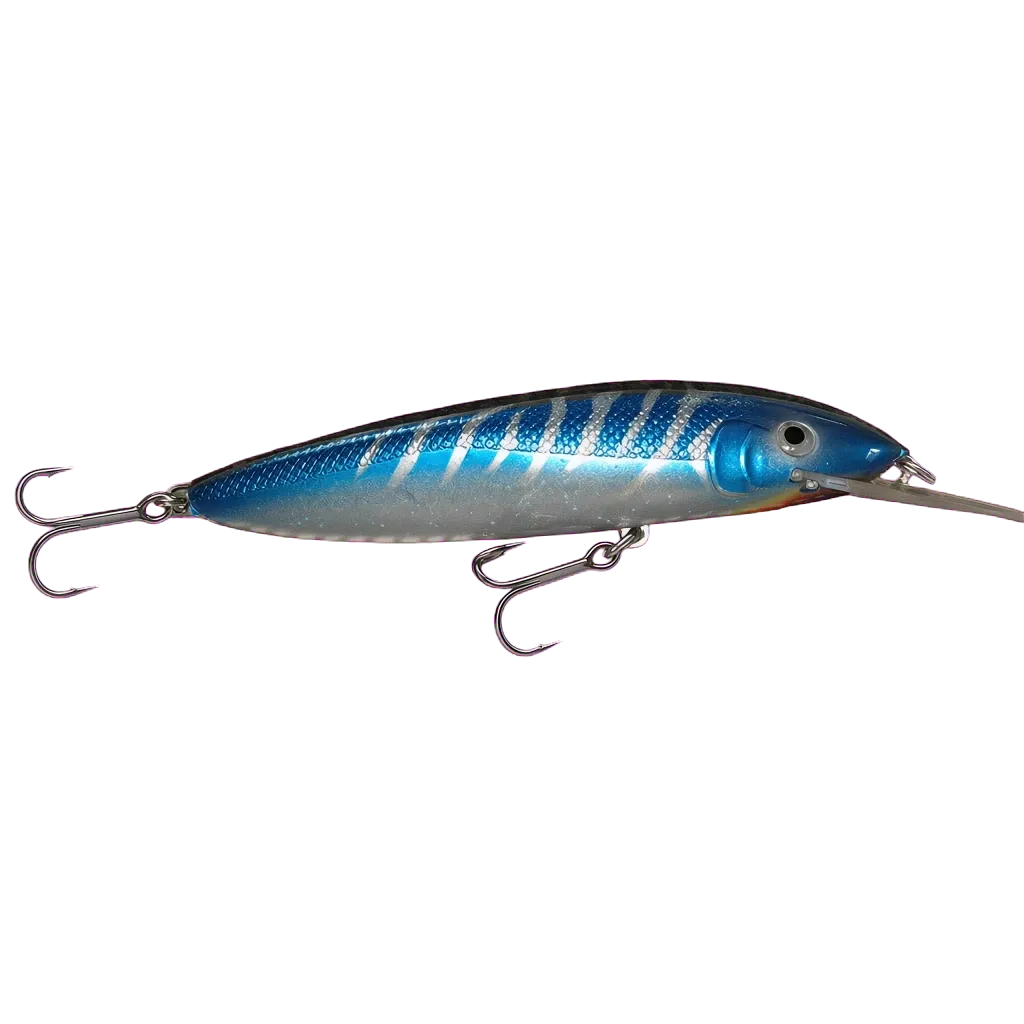
Couta, or king mackerel, are one of the most popular targets for South African ski boat anglers, especially in KwaZulu-Natal. They hit hard, run fast and have a mouth full of razor-sharp teeth. Slow-trolled live bait is the classic way to catch them, but a diving minnow worked over the right reef will catch couta too. It's also a great way to search for fish before you slow down with bait.
Where couta hold
Couta are reef fish that hunt baitfish. Look for them:
- Over shallow and mid-depth reefs and pinnacles, often in about 10 to 40 metres
- Along the backline and just behind the surf where bait gathers
- Around shoals of baitfish showing on your fish finder
- In clean, warm water. A murky, cold push of water often switches them off
The best couta fishing in KZN is usually in the warmer months, but fish can turn up through the year when the water is clean and the bait is around. Early mornings are often the best time.
Best lures for couta
Couta feed mainly on baitfish like mackerel, sardines and shad, so natural baitfish patterns are a strong choice:
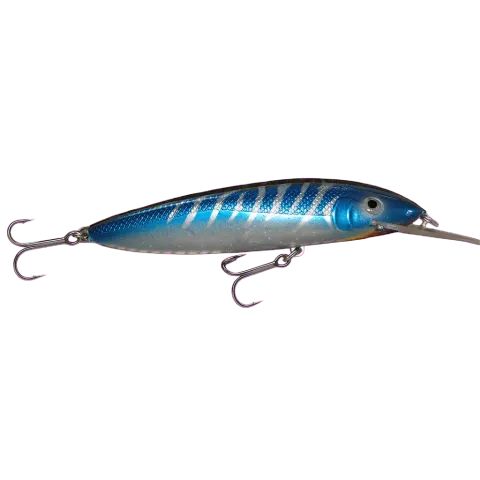
- Blue Charge: blue and silver like a mackerel, our first choice in clean blue water.
- Dory: green and silver, a natural pattern for greener water.
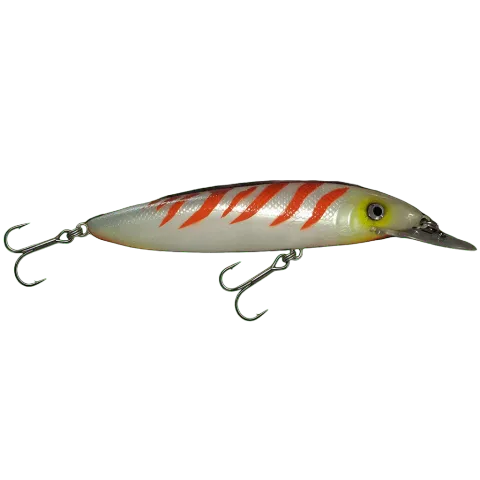
- Orange Mack: a mackerel pattern with extra colour for days when the fish want something brighter.
- Killer Red: the classic white body with a red head. It's a simple pattern that has caught couta for a long time.
- Zulu: a dark lure that shows up as a strong silhouette in low light or dirty water.
A diving minnow that runs a couple of metres down is ideal, because couta often hunt below the surface over the reef.
Trolling speed and how to work the reef
Troll diving minnows at around 5 to 7 knots for couta. Watch the lure next to the boat first to make sure it swims properly at your speed.
Work the edges of the reef rather than going straight over the middle. Make passes along the drop-off where the reef meets sand, and around any pinnacles. When you get a strike, mark the spot on your GPS and work the same area again, since couta often hunt in loose groups.
Use a trace
Couta bite through nylon easily. Use a short wire trace in front of the lure, either single-strand or fine cable. Keep it as light and short as you can, because a thick trace can make the lure swim badly and puts off shy fish. Check the trace after every fish for kinks and teeth marks.
Hooking and landing couta
- Keep the hooks sharp. Couta have bony mouths. Sharp trebles hook much better.
- Don't horse the fish. Couta make fast, powerful runs. Let the drag work, then bring the fish in steadily.
- Gaff carefully. Those teeth are dangerous. Handle couta with care and keep fingers away from the mouth.
- Know the rules. Check the current Department of Forestry, Fisheries and the Environment (DFFE) regulations for size and bag limits, and carry your recreational fishing permit.
Quick couta checklist
- Clean, warm water over reefs, pinnacles and bait
- Natural mackerel and sardine patterns, plus a red-head and a dark lure
- Troll at around 5 to 7 knots along the reef edges
- A short wire trace and sharp trebles
For more on picking colours on the day, read lure colours for clear vs dirty water.